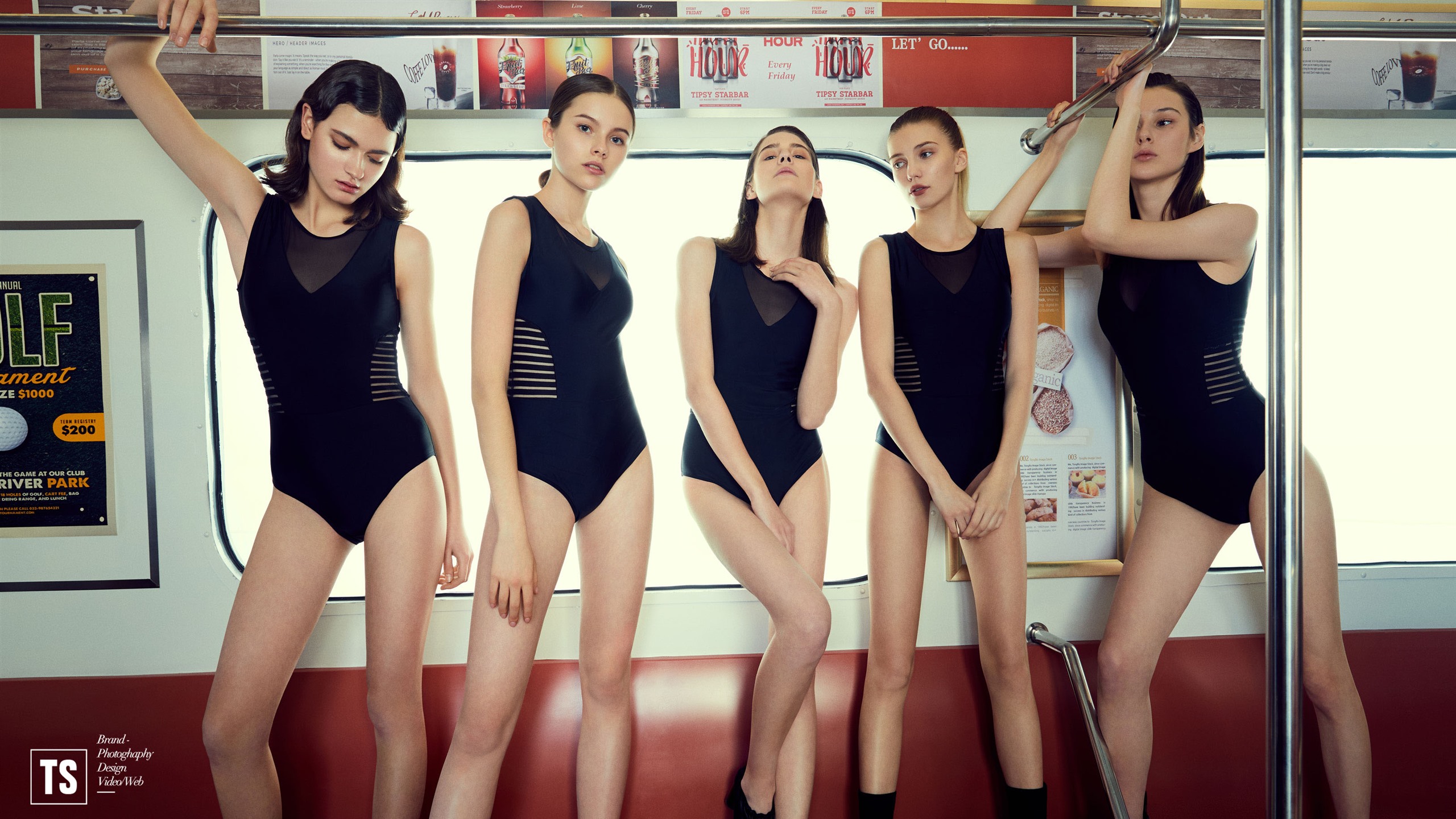
Choosing a Swimsuit for the Way You Actually Use the Water
A swimsuit can look right in front of the fitting-room mirror and become the first thing you think about when you reach the water. The straps may feel different when your arms go above your head. A lower edge you liked while standing may distract you when you sit beside the pool. Think of the suit as equipment for a particular day. The activities you want to enjoy will tell you which details need the most attention.
Begin with three moves
Picture the first hour you expect to spend in the suit. If you swim lengths, think about reaching, turning and getting out using a ladder. At a beach, you might spend more time sitting, walking or putting a layer on over the suit. If you’re accompanying children and expect to move frequently between water and dry ground, pick the movements you repeat most. These are the checks a suit has to pass to make the day easy.
Choose three movements that you can reasonably make during a permitted try-on. Raise your arms, sit down and take a few steps as a starting combination. Look for a strap that slips when you reach, an edge that catches when you sit or a closure that is hard to operate. If a shop requires a hygiene liner to stay in place or specifies how to try a suit, follow the instructions. Even a brief check can tell you which features you are already trying to adjust.
Take a second to put the suit back in the position you want and try the movement again. A strap you hadn’t adjusted may be easy to improve. A piece that moves the same way every time may need a different size, strap configuration or cut. The point is to find out whether there is a usable fix within the suit’s design. It gives you a clearer decision than telling yourself it will probably settle once you reach the pool.
Read the fitting notes for the actual type of suit
Use the retailer’s size guidance for the model or range. A performance suit from a particular brand can be intended to sit more closely than a leisure design. In a one-piece, overall torso length can influence how the straps and lower section feel together. With separates, it may be possible to choose fit independently for the two parts. Check how the shop sells the pieces and whether buying one size for both assumes a fit you already know.
The same question applies whether you’re choosing lingerie or shopping for another intimate garment. What does the item need to do on the day you’ll wear it? Give yourself one reason to choose a particular suit beyond the pattern you like. If you can say that the closure is easy to operate or that the top lets you move without being distracted, you have something useful to compare against the next option.
Patterns can remain part of the choice. If two suits work for the same day, you may just like one better. Check colours under the lighting available and ask whether there is anything about the lining you need to know. The suit does not have to answer every preference you have for clothing. It has to make it easy to do the things you actually expected to do in it.
Think about the hours after you leave the water
Speedo’s size and care guide recommends rinsing suits in clean, cold water after swimming. Read your own garment’s care instructions for the full routine. If you expect to swim on consecutive days, think about where the suit will dry and how long it generally takes in that space. A heavy design or an area that stays damp can affect whether you’ll have a suit ready in the morning.
For a day away from home, give the wet suit a separate place to travel. Use a suitable bag for the journey back, then take the garment out when you can follow its care instructions. Check that the … Full Text